




Pero en realidad ningún yo, ni siquiera el más ingenuo, es una unidad, sino un mundo altamente multiforme, un pequeño cielo de estrellas, un caos de formas, de gradaciones y de estados de herencias y posibilidades.
Hermman Hesse
-No sois los primeros que exploráis esta región -dijo gravemente.
Ambrose Bierce
A todos aquellos que leyeron a Hesse cuando tenían 18 años
Texto: Javier Celorrio
Fotos y montaje: Javier Celorrio
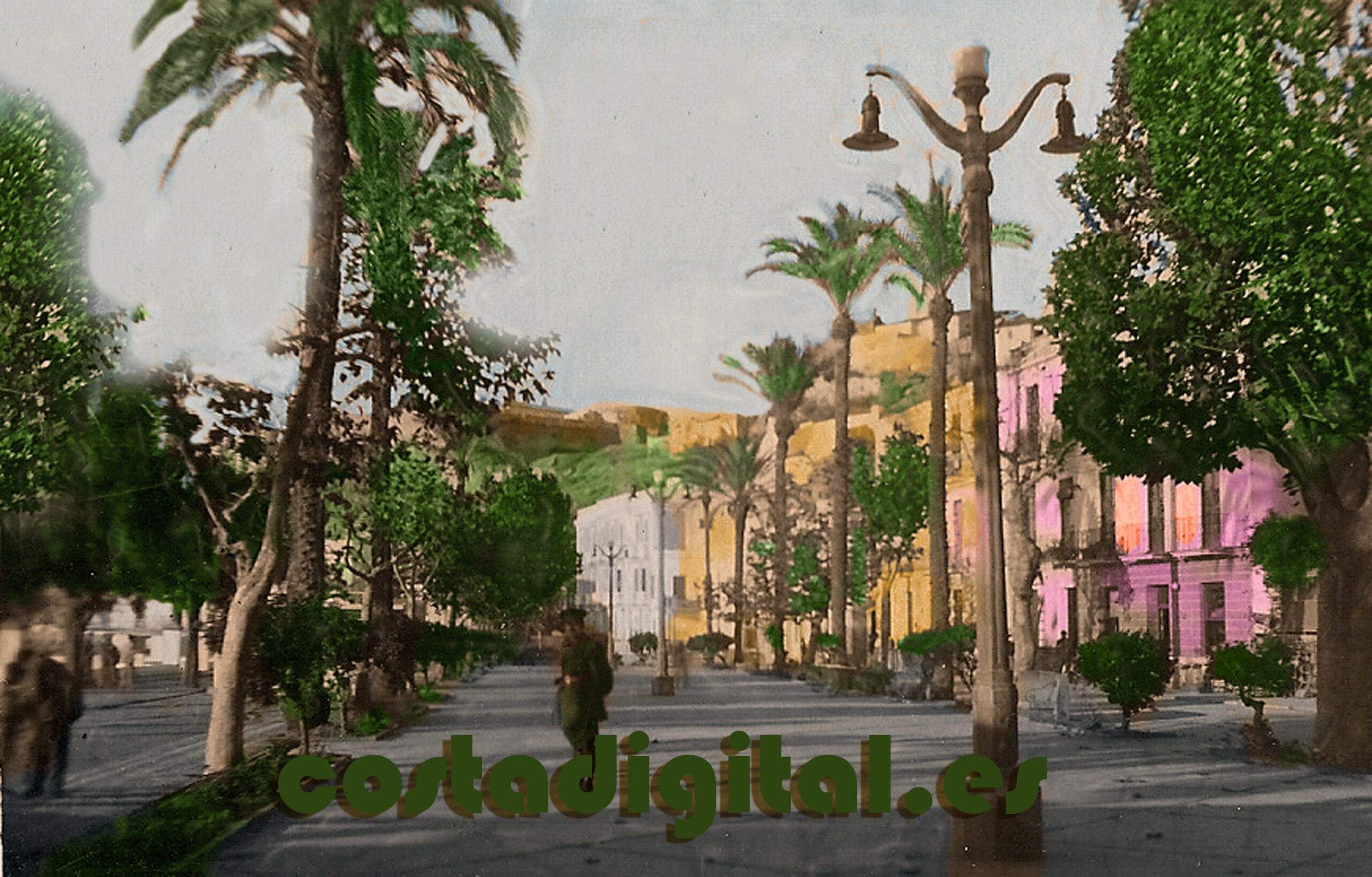
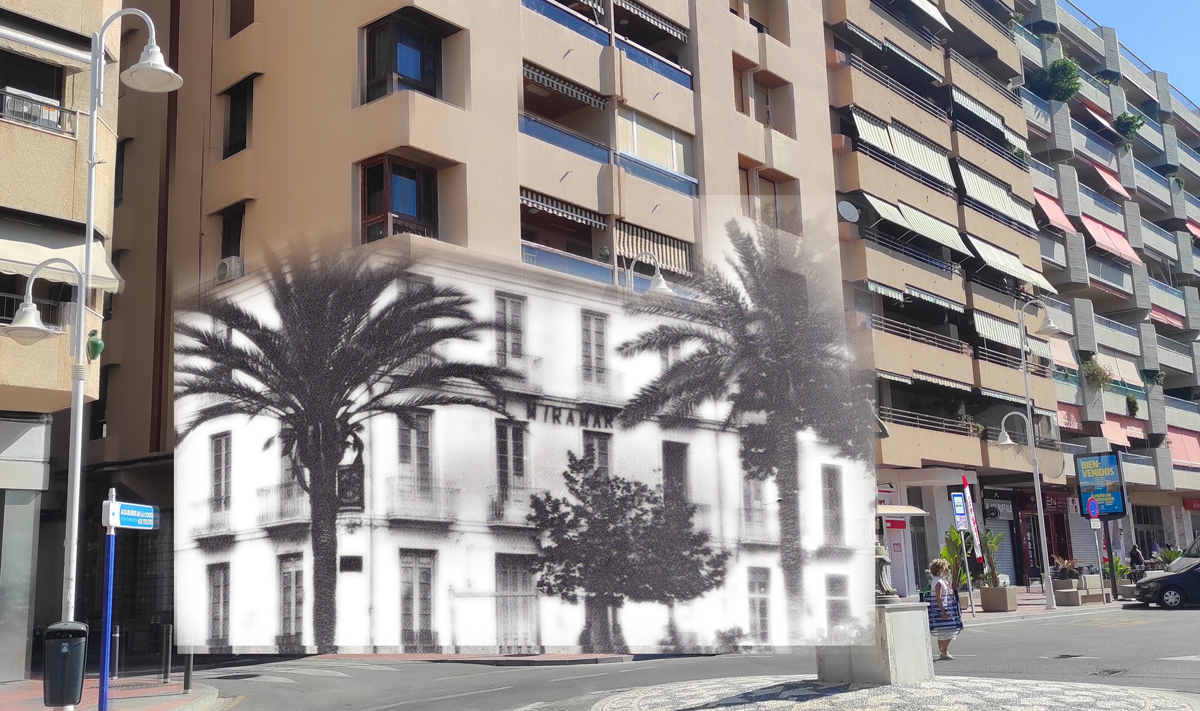
Orestes Ruiz no buscaba un refugio. Buscaba, como un lobo estepario de nombre Harry Haller, el hueco de sí mismo o llenar de olvido aquel mundo hostil de dónde provenía. Lo encontró, sin saberlo, en una grieta abierta entre el mar y la memoria, en la primera planta de un edificio de geometría colonial en el paseo de El Altillo de Almuñécar: una reliquia que parecía haberse negado a morir incluso cuando ya no tenía inquilinos o eso aseguró el señor que le alquiló una habitación y que mientras observaba la fachada desde fuera salió del portón de acceso y lo invitó a entrar o acaso indicó la única posibilidad de entregarse a la experiencia de volver al principio de la misión que lo impulsó a huir. La casa, hasta poco antes de la guerra civil había sido fonda regentada por la hija soltera de la familia de un general exiliado al pueblo por uno de los pronunciamientos del siglo XIX y que decidió construir aquella casa con la decisión de abandonar la milicia, hastiado de las intrigas cortesanas sin pólvora, había renunciado a Madrid y a su corona de espinas políticas para levantar, en ese litoral recóndito, su templo de piedra y resignación. Algo así buscas tú en este pueblo de posguerra mediado los años cincuenta del siglo XX.
– Al morir el general y su mujer, la hija en total bancarrota decidió convertir el inmueble en fonda, pero la señorita fue víctima de un desarmado al que metió de encargado y ya fue el acabose-. Le contó en su condición de casero en funciones aquel hombre de aspecto arrogante, de piel grisácea, pelo blanco peinado hacia atrás con excesiva gomina y sobre el labio superior un bigote que caía como toldo, ojos inquisidores y un estómago prominente que desbordaba sobre la cintura de su pantalón de dril azul. Por la pinta y sus modales autoritarios podría haber sido durante la guerra comisario político tanto de un bando como de otro, aunque obvio que se convirtiera a derechista cuando viera próxima la victoria. Había algo en él de heraldo de la desgracia, el dolor, la muerte.
-¿Usted no tendrá lios políticos?-. Preguntó secamente y a bocajarro mientras abría la puerta de la casa.
-No señor. Vengo a preparar unas oposiciones al Estado-, dije, ocultando que era escritor y que iba buscando la verdad de las mentiras o viceversa.
-Oposiciones al Estado-, murmuró en un tono que podía ser de sorna, de incredulidad o de simple estupidez.
-Sí, oposiciones al Estado-, reiteré firme, convencido, interpretando.
El estafermo tras subir las escaleras al primer piso, abre la puerta y con gesto imperativo te conmina a entrar. Tras recorrer un pasillo umbrío flanqueado de puertas, abre una de ellas. La habitación es amplia con un balcón al exterior que está cerrado y que el maestro de ceremonias militares o funerales descubre tras unos espesos cortinones polvorientos y que una vez abiertos dejan entrar un fogonazo de luz de agosto, que destruyen la pátina del claroscuro con el tono del liquen como gasa que envolviera el aire, y evidencia la realidad de un pretérito, que pudo pretenderse empaque, convertido en ruina. Los muebles no te sorprenden: La cama de hierro, la cómoda con su espejo empañado, el baúl cerrado a los pies de la cama, un armario al que al parecer no le cierran las puertas por la madera hinchada de humedad. Te es familiar el olor a alcanfor, jazmín seco, algo más: un perfume con leves toques de ranciedad que no sabes de dónde viene, pero que te envuelve. Te recuerda el aroma de aquellas señoras longevas que visitaban a tu abuela y que eran como sacadas de las páginas de Galdós o a lo mejor eran ellas mismas. Un efluvio antiguo, persistente. Te sientas en el borde de la cama, y el crujido del somier parece el grito chirriante de una gato en espantada. Miras el espejo. No te devuelves del todo. Tu reflejo parpadea como si no estuviera convencido de que eres tú. O acaso deseas no serlo y que el hueco interior siga creciendo hasta volatizarte en el azogue dañado de la superficie.
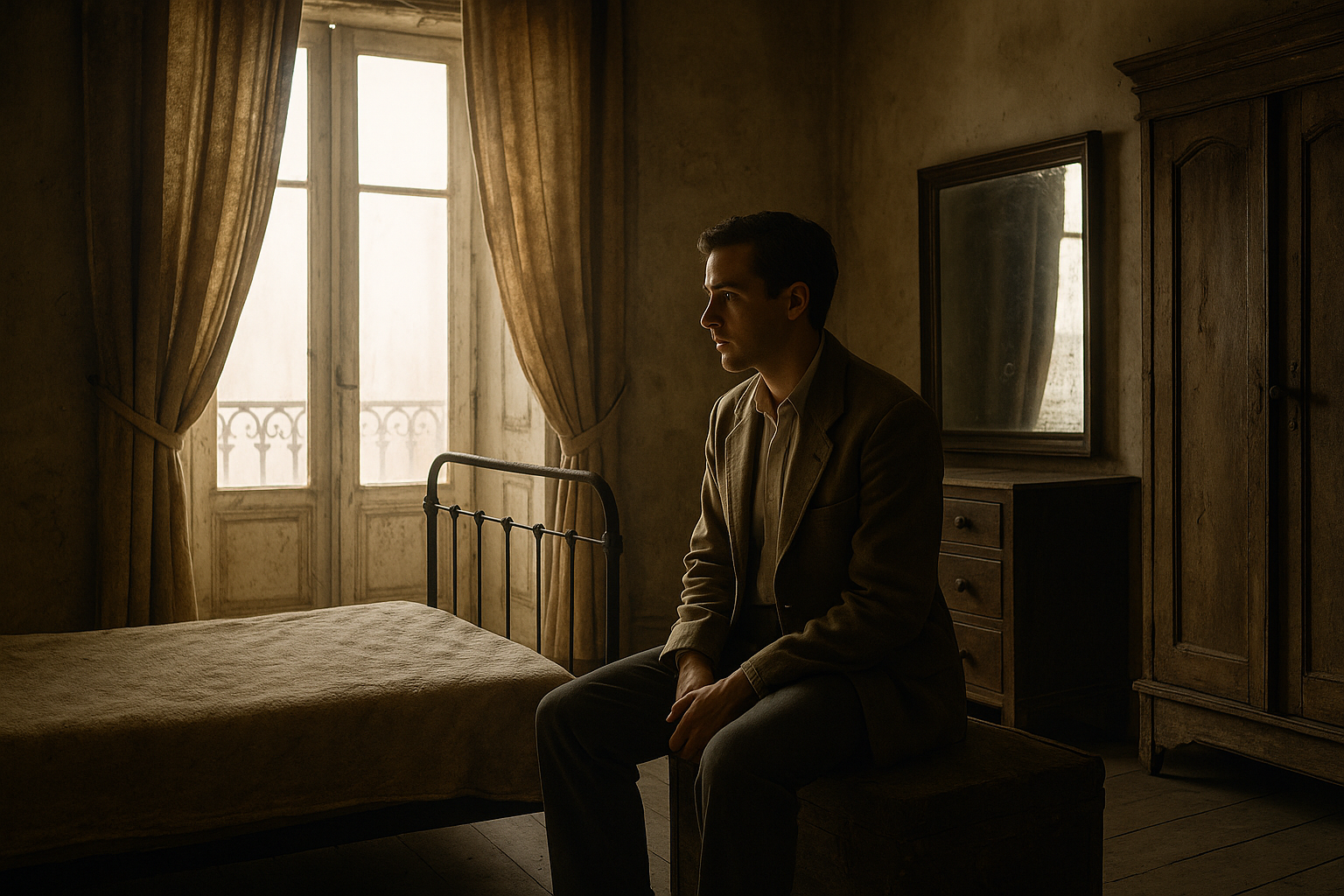
– Si le gusta, es una semana por adelantado-. Señala la bestia con barriga de poder y bigote de siglo equivocado. Asiento con la cabeza mientras me busco en el interior de la chaqueta la cartera y saco el dinero que me pide. Maniobra que sigue con mirada húmeda y ansiosa de usurero hasta adelantar su mano hinchada por retención de líquidos como bestezuela que se abalanza sobre los billetes y que una vez en su poder cuenta con avidez desconfiada.
Tras un portazo el cerbero desaparece a tus espaldas y vuelves a mirarte en el espejo. Te llamas Orestes, pero no sabes si ese nombre te pertenece o si te fue dado por alguien que quiso condenarte desde el principio. Como si llevaras en el nombre la promesa del castigo. Como si hubieras cometido el crimen y no te acuerdas.
Te sientas en el borde de la cama —la cama de hierro, oxidada como una jaula que no tiene puerta sino asignación de cárcel—, y sientes otra vez el somier crujir como quien murmura un nombre que no quieres recordar. No hay consuelo en los objetos. Solo pruebas. Vestigios. Como si cada mueble de esta habitación fuera una evidencia de lo que fuiste antes de llegar. El espejo no te devuelve. O te devuelve otro. Ese que quizás fuiste, o que serás en algún momento inmediato y todo termine por tragarte. El azogue tiene un hueco donde tu rostro debería estar. Te acercas. La forma vibra. Parpadea. Te niega. O peor: te imita. Ya no hay penumbra piadosa que difumine el deterioro. Todo está desnudo: la humedad en la pared, la puerta del armario abierta como una boca sin dientes, el polvo acumulado en las rendijas como si la alcoba llevara siglos sin respirar. La luz entra como cuchilla. El pasado se rompe. Ya no hay penumbra piadosa que difumine el deterioro. Todo está desnudo: la humedad en la pared, el polvo acumulado en las superficies. Pero tú sí respiras. Lento. Hondo. A pesar de ti.
Y ahí está otra vez ese perfume. Jazmín seco. Alcanfor. Ranciedad sobre lo que algún día se pretendió elegante. Vuelves a las mujeres viejas de tu infancia, las que venían a visitar a tu abuela con rosarios en las manos y recordatorios a un futuro tintado de muerte. Mujeres de otro siglo que ya eran ruinas cuando tú apenas aprendías a leer. O tal vez no eran visitas: tal vez eran los personajes que tu abuela leía en los escritores decimonónicos. Tal vez la literatura se te metió tan hondo que ahora las confundes con tu pasado. Y en medio de todo eso —el olor, la luz, el crujido, el espejo— sientes que el hueco, que viene creciendo hasta reventarte, puede amortigüar algo con esta distancia de kilómetros. “Algo así buscabas tú”, te dices. Es entonces que piensas en la solterona ultrajada, que aún no ha aparecido pero cuya presencia ya roza los bordes de la habitación y que se hace patente cuando corres las cortinas y la penumbra vuelve a describir el espacio.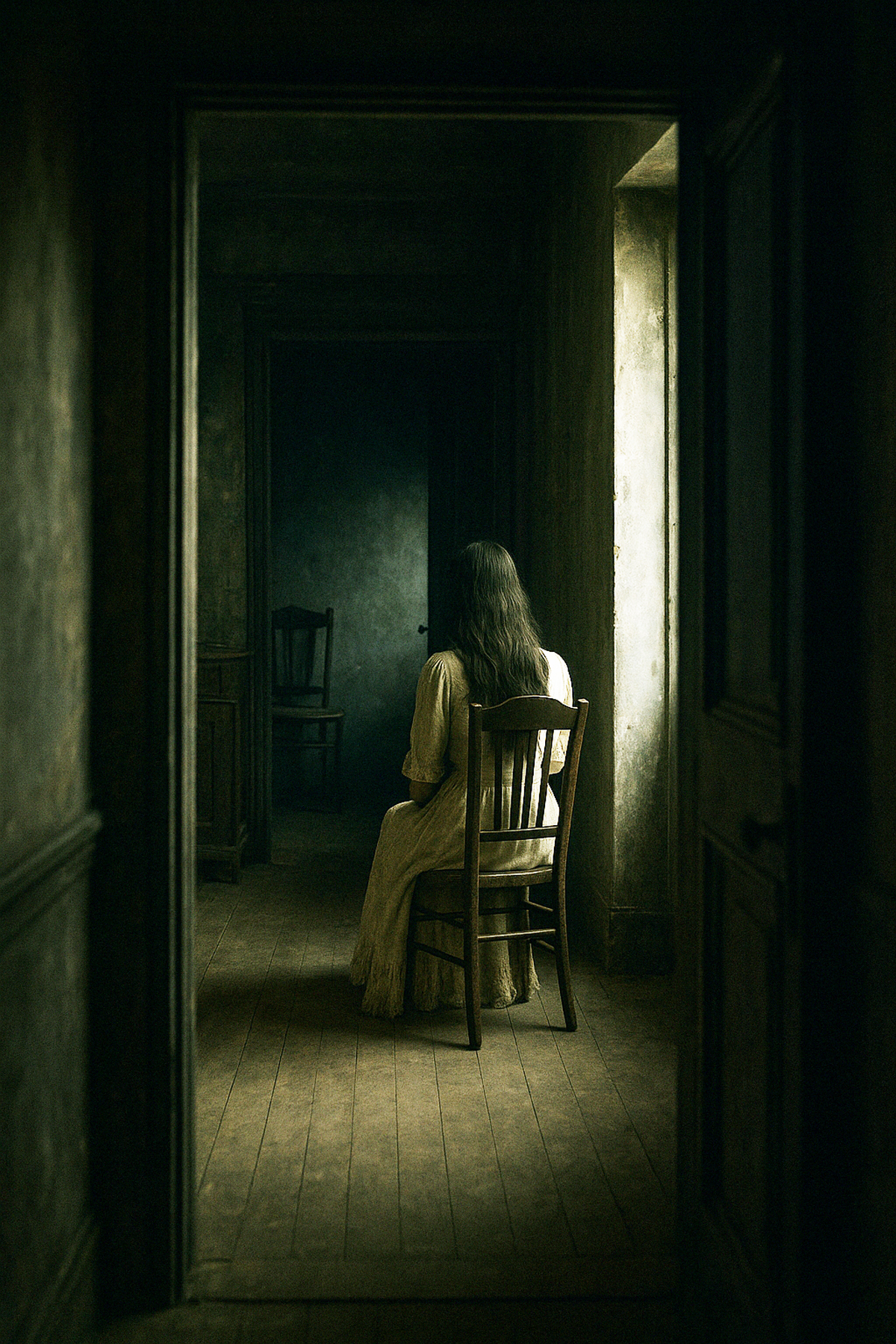
La oyes. Un roce. Una respiración leve detrás de la puerta y luego los pasos que se alejan y que en su levedad no pueden ser del horrendo tricéfalo. Los pasos no quieren ser oídos. Quieren ser seguidos. Sales vas por el pasillo, cruzas el comedor lleno de sillas vacías, llegas a la puerta clausurada que da al ala cerrada, la que el cerbero no te enseñó y que ahora está abierta. Hay un resquicio. Un hilo de aire frío. Te agachas. Ves una figura. Sentada. De espaldas. Sabes que es ella, la señorita soltera de la casa. Lleva un vestido color marfil, raído en los bordes. Su cabello cae como sombra sobre la espalda. No se mueve. Pero respira. O al menos, eso crees. No hablas. No hace falta. Ella sabe que estás ahí. Piensa que ha vuelto quien la traicionó una vez y la dejó con el encargado, el impostor, el otro él. Y tú —que no eres Orestes Ruiz, que nunca fuiste del todo nadie— te das cuenta, por primera vez, de por qué viniste a esta casa. No para estudiar. No para huir. No para alquilar un cuarto en un pueblo donde nadie puede reconocerte. Viniste a buscarte en ella. Porque la señorita te espera para consumar la venganza.
Y si abres esa puerta —si das un paso más—, ya no podrás salir. No como el que llegasté. No das el paso. No aún. Te quedas ahí, con el corazón golpeándote las costillas como si también quisiera atravesar la puerta antes que tú. La figura no se mueve. Pero no es necesario: su quietud pesa. Es presencia. Es historia detenida. Una ruina viva.
Es entonces, que chirriante la puerta se va abriendo. Y ahí esta ella sentada de espaldas a ti: los pliegues del vestido, la curva inmóvil del hombro, el temblor de un mechón de pelo como si un aliento invisible lo agitara, pero al adaptarse la vista a la penumbra que la envuelve, una figura frente a ella se dibuja en la oscuridad y va cobrando luminosidad la pavorosa imagen del guarda en total desnudez que es como aparición de un animal salido de la más tenebrosa de las pesadillas.
Un temblor apenas, como si toda la habitación esperara también que tú decidieras. Algo en el fondo de tu memoria intenta advertirte. Pero está demasiado lejos, o demasiado roto. Como las palabras de una carta quemada. Lo único que entiendes —que aceptas— es que esa figura sentada y la otra monstruosa te pertenecen. No sabes cómo. No sabes desde cuándo. Pero lo sabes.
El aire que sale por esa rendija es más antiguo que la casa. Huele a encierro, a tiempo detenido. Y, sin embargo, no hay miedo. Solo reconocimiento. Como si fueras tú el que llevó a ese cuarto el olor a jazmín seco y a perfume rancio, como si el hueco que sientes no estuviera solo en ti, sino también en ella.
Ella gira. Su rostro no es el de una mujer. No del todo. Es un rostro que cambia. Un rostro que fue joven y fue viejo, que fue tuyo y fue de otro. Por un segundo —no más, apenas un parpadeo— ves tu propio rostro en el de ella. Más pálido. Más antiguo. Como si tú mismo hubieras habitado ese cuerpo alguna vez. Como si tú hubieras sido la señorita, y ahora regresaras no como quien visita, sino como quien vuelve a su forma original.
Retrocedes. Cierras el pasillo detrás de ti con el mismo sigilo con que lo cruzaste. El comedor te traga, con sus sillas vacías como testigos dispuestos a declarar en tu contra. El suelo repite las pisadas como si reconociera tus pasos y te juzgara por volver sin atreverte. De nuevo el cuarto, la cama, el espejo.
Y ahí estás.
Te levantas de la cama y vuelves al espejo. El reflejo ya no tiembla. Ahora te observa. Te imita con precisión inquietante. Pero los ojos que ves no son los tuyos. Son más oscuros, más hundidos. Más antiguos. La figura en el espejo no es solo tú: es también ella y él: la señorita y el rostro abotargado y lascivo del guardian. Te han alcanzado. Cierras los ojos. No porque tengas miedo, sino porque entiendes —por fin— que has dejado de ser tú solo. Que la casa no te ha alquilado un cuarto: te ha reclamado. Como quien recupera un órgano extraviado. Y tú, Orestes Ruiz —si es que ese fue alguna vez tu nombre— ya no estás solo en tu piel.
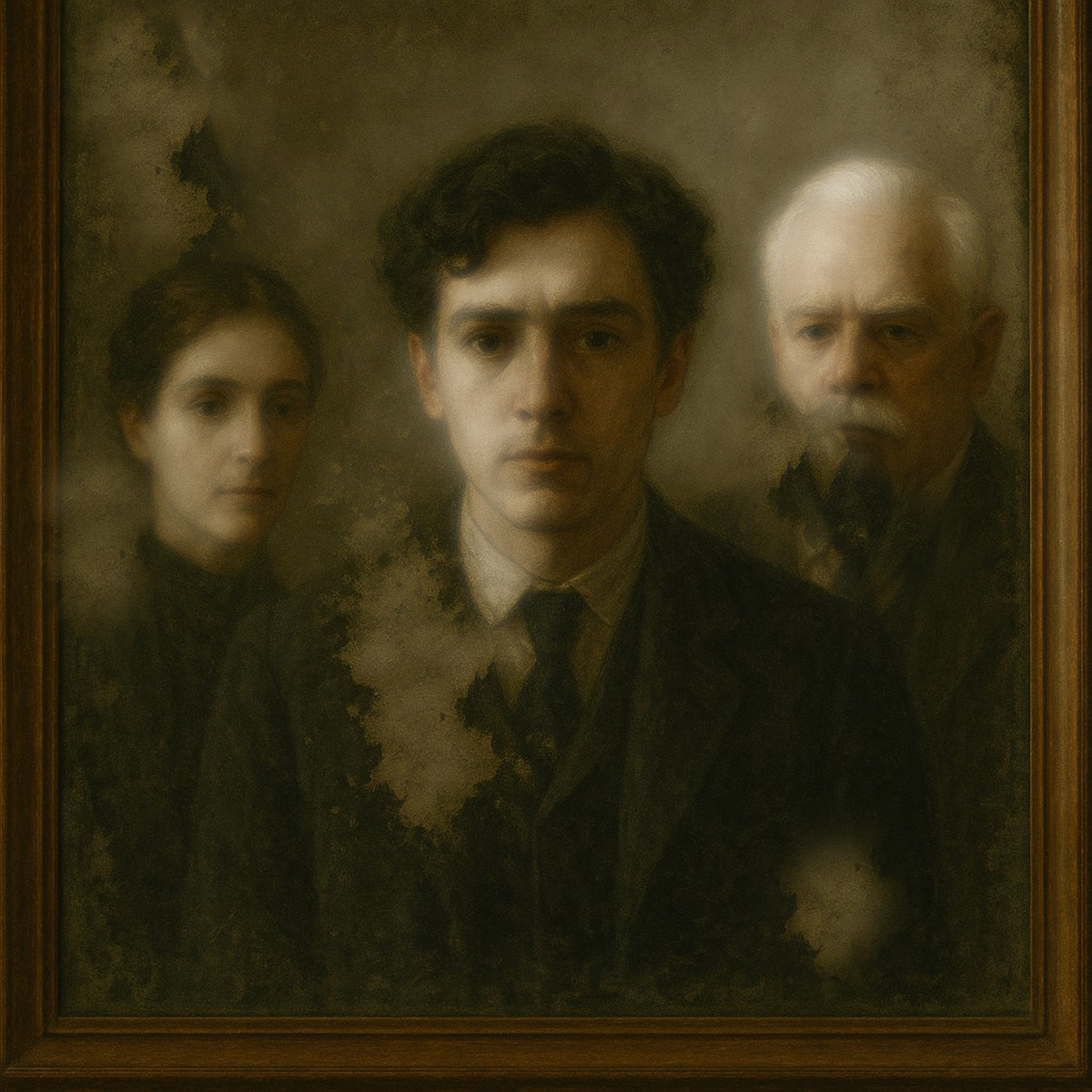
Respiras. Profundo. Como quien se hunde.
Y la voz llega. No desde fuera, sino desde dentro:
—Sabía que volverías.
Entonces te despiertas y descubres el cuaderno abierto a un lado de la cama. No hay palabras. No hacen falta. Te sientas en la cama —una jaula oxidada— y el crujido ya no es un murmullo, sino una bienvenida. La casa te reconoce. La habitación te acepta. El hueco ya no crece: se llena. Y ella y el cancerbero flanquean la cama y te miran con lascivia y sabes que tu cuerpo es la ofrenda para dejar atras el mundo raro del que procedes y entonces sólo tú entiendes por qué el destino te llamó Orestes.
Abres los ojos y la luz poderosa deslumbra la habitación. Escudriñas cada rincón y no encuentras lo que buscas. Hace un calor insoportable que pega tu piel a unas sábanas de hilo que de gastadas por el uso son asperas. El ruido del mar suena a lo lejos. Sale al balcón y contemplas la alameda luminosa que se abre al frente. Es cuando decides marcharte: buscar otro hospedaje o irte a otro lugar. Al cruzar el pasillo oyes una tos lejana de pulmones heridos, la puerta que cuando llegaste estaba cerrada, ahora esta a medio abrir. Y en una rápida mirada ves a la mujer del sueño sentada, pero de cara a la puerta. Es la misma, aunque no con la tristeza del abandono sino cargando con el tiempo acumulado al mismo en los infinitos pliegues de su rostro: Es una de esas viejas de tu infancia; incluso intuyes un rosario entre sus dedos.
No bajas las escaleras, las saltas y tras abrir el portón de goznes que chirría, sales a la luz de un mediodía de agosto con las chicharras en el aire. Unos niños que juegan bajo los arboles se quedan mirándome y oigo a uno de ellos decir al grupo:
-¡Mirad, otro sacasebo que ha dormido en la casa de los fantasmas!
English edition:
Photography Storytellers / The Lady of the Miramar / Javier Celorrio
But in truth no self, not even the most naïve one, is a unit, but a highly multifaceted world, a small heaven of stars, a chaos of forms, of gradations and of states of inheritances and possibilities.
Hermann Hesse
“You are not the first to explore this region,” he said gravely.
Ambrose Bierce
To all those who read Hesse when they were eighteen.
Text: Javier Celorrio
Photos and montage: Javier Celorrio
Orestes Ruiz was not looking for a refuge. He searched, like a Steppenwolf named Harry Haller, for the hollow within himself or to fill with oblivion that hostile world from which he came. He found it, without knowing, in a fissure opened between the sea and memory, on the first floor of a colonial-style building on the promenade of El Altillo in Almuñécar: a relic that seemed to have refused to die even when it no longer had tenants, or so claimed the man who rented him a room and who, while he watched the façade from outside, came out through the access gate and invited him in—or perhaps pointed him toward the only possibility of surrendering to the experience of returning to the beginning of the mission that had driven him to flee. The house, until shortly before the Civil War, had been an inn managed by the unmarried daughter of a general who had been exiled to the village after one of the 19th-century uprisings, and who decided to build that house when, determined to abandon the military, weary of courtly intrigues without gunpowder, he renounced Madrid and its crown of political thorns to raise, on that secluded coastline, his temple of stone and resignation. Something like that is what you seek in this postwar town in the mid-1950s.
“When the general and his wife died, the daughter, utterly ruined, decided to turn the property into an inn, but the young lady fell victim to a good-for-nothing she hired as manager, and that was the end of it,” the man, acting as landlord, told him—an arrogant-looking fellow with ashen skin, white hair slicked back with excessive pomade, a mustache drooping like an awning over his upper lip, inquisitive eyes, and a prominent belly spilling over the waistband of his blue drill trousers. By his appearance and authoritarian manners he could have been, during the war, a political commissar for either side, though it is obvious he would have converted to right-wing views once victory for that faction seemed near. There was something in him of a herald of misfortune, pain, and death.
“You don’t have any political trouble, do you?” he asked curtly, point-blank, as he opened the door to the house.
“No, sir. I’ve come to prepare for State entrance exams,” I said, hiding that I was a writer seeking the truth of lies—or the lies of truth.
“State entrance exams,” he murmured in a tone that could have been ironic, incredulous, or simply stupid.
“Yes, State entrance exams,” I repeated firmly, convincingly, performing the role.
The scarecrow, after climbing the stairs to the first floor, opened the door and, with an imperious gesture, urged you to enter. After walking down a shadowy corridor flanked by doors, he opened one of them. The room was spacious, with a balcony to the outside, shut tight, which the master of military or funeral ceremonies uncovered by pulling aside a pair of thick dusty curtains. Once opened, they allowed an August flash of light to burst in, destroying the patina of chiaroscuro with the tone of lichen, like a gauze wrapping the air, and revealing the reality of a past that might once have aspired to dignity, now turned to ruin. The furniture did not surprise you: the iron bed, the dresser with its fogged-over mirror, the trunk at the foot of the bed, a wardrobe whose doors did not seem to close due to wood swollen with humidity. The smell was familiar: camphor, dried jasmine, something more—a perfume with faint hints of rancidity that you could not identify but that enveloped you. It reminded you of the scent of those elderly ladies who visited your grandmother and seemed taken from the pages of Galdós—or perhaps they were those very pages. An ancient, persistent effluvium. You sat on the edge of the bed, and the creak of the bedspring sounded like the shrill cry of a fleeing cat. You looked into the mirror. You did not fully return. Your reflection flickered as if unsure you were truly you. Or perhaps you wished not to be, and the hollow inside you could keep growing until you vanished into the damaged silvering of the surface.
“If you like it, it’s one week paid in advance,” declared the beast with the belly of power and the mustache from the wrong century. I nodded, searched inside my jacket for my wallet, and pulled out the amount he requested. He followed the motion with a moist, usurer’s gaze before thrusting forward his swollen hand, lunging at the bills like some small beast, then counting them with distrustful greed.
With a door slam, the cerberus vanished behind you, and you looked again into the mirror. Your name was Orestes, but you did not know if the name belonged to you or if it had been given by someone who wished to condemn you from the very beginning. As if your name carried the promise of punishment. As if you had committed the crime and could not remember.
You sat again on the edge of the bed—the iron bed, rusted like a cage without a door but with the designation of a prison—and the bedspring creaked once more, like someone whispering a name you did not want to recall. There was no comfort in objects. Only evidence. Vestiges. As if each piece of furniture in the room were proof of what you had been before arriving. The mirror did not return you. Or it returned another. The one you might have been, or might be at any moment, and everything would swallow you whole. The mirror’s silvering had a gap where your face should have been. You leaned closer. The shape vibrated. Flickered. Denied you. Or worse: imitated you. No benevolent shadow remained to soften the decay. Everything lay exposed: damp on the wall, the wardrobe door open like a toothless mouth, dust accumulated in the cracks as though the room had not breathed in centuries. The light entered like a blade. The past shattered. No more merciful penumbra. Everything was naked: the dampness, the dust. But you still breathed. Slowly. Deeply. In spite of yourself.
And there it was again—that scent. Dried jasmine. Camphor. Rancidity clinging to what once pretended to be elegant. You returned to the old women of your childhood, those who came to visit your grandmother with rosaries in hand and reminders of a death-tinted future. Women of another century who were already ruins when you were barely learning to read. Or perhaps they were not visitors—perhaps they were characters your grandmother read in nineteenth-century novels. Perhaps literature burrowed so deeply into you that now you confused it with your own past. And amid all that—the scent, the light, the creaking, the mirror—you felt that the hollow growing inside you might soften with this distance of kilometers. “Something like this is what you were looking for,” you told yourself. Then you thought of the wronged spinster, who had not yet appeared but whose presence already brushed the edges of the room and became tangible when you drew the curtains and the penumbra returned to shape the space.
You heard her. A rustle. A faint breath behind the door, followed by footsteps moving away—too light to belong to the horrendous tricephalous guardian. The steps did not want to be heard. They wanted to be followed. You went down the corridor, crossed the dining room filled with empty chairs, reached the sealed door leading to the closed wing—one the cerberus had not shown you and that now stood ajar. A crack. A thread of cold air. You crouched. You saw a figure. Sitting. Back turned. You knew it was her—the unmarried lady of the house. She wore an ivory-colored dress, frayed at the edges. Her hair fell over her back like a shadow. She did not move. But she breathed. Or at least, that’s what you thought. You did not speak. You didn’t have to. She knew you were there. She believed the one who once betrayed her had returned, the one who left her with the manager, the impostor, the other him. And you—who were not Orestes Ruiz, who had never fully been anyone—realized, for the first time, why you had come to this house. Not to study. Not to flee. Not to rent a room in a town where no one could recognize you. You had come to find yourself in her. Because the lady awaited you to consummate her vengeance.
And if you opened that door—if you took one more step—you would not be able to leave again. Not as the one who arrived. You did not step forward. Not yet. You remained there, your heart pounding against your ribs as though it wanted to cross the threshold before you. The figure did not move. But it didn’t need to: her stillness weighed. It was presence. Suspended history. A living ruin.
Then, with a creak, the door continued opening. And there she was, seated, her back to you: the folds of her dress, the unmoving curve of her shoulder, the trembling of a lock of hair as if stirred by an invisible breath. But as your eyes adapted to the surrounding penumbra, another figure took shape before her, in the gloom—a horrifyingly luminous form: the guard, completely naked, appearing like a beast from the darkest nightmare.
A faint tremor, as though the entire room were waiting for you to decide. Something deep in your memory tried to warn you. But it was too far away—or too broken. Like the words of a burned letter. The only thing you understood—accepted—was that both the seated figure and the monstrous one belonged to you. You didn’t know how. Or since when. But you knew.
The air seeping through that crack was older than the house. It smelled of confinement, of time frozen. And yet there was no fear. Only recognition. As if you were the one who had carried into that room the scent of dried jasmine and rancid perfume, as if the hollow inside you existed also within her.
She turned. Her face was not a woman’s. Not entirely. It was a face that shifted—a face that had been young and old, that had been yours and someone else’s. For a second—no more, just a blink—you saw your own face in hers. Paler. Older. As if you had once inhabited that body. As if you had been the lady, and were now returning not as a visitor, but as someone returning to their original form.
You stepped back. You closed the corridor behind you with the same silence with which you had crossed it. The dining room swallowed you, its empty chairs like witnesses ready to testify against you. The floor repeated your steps, as if recognizing you and judging you for returning without daring enough. Back in the room—the bed, the mirror.
And there you were.
You stood up from the bed and returned to the mirror. The reflection no longer trembled. It watched you. Imitated you with unsettling precision. But the eyes were not yours. They were darker, more sunken. Older. The figure in the mirror was not only you: it was also her and him—the lady and the bloated, lascivious guardian. They had reached you. You closed your eyes. Not out of fear, but because you understood—at last—that you were no longer alone in your own skin. The house had not rented you a room: it had claimed you. Like someone retrieving a lost organ. And you, Orestes Ruiz—if that was ever truly your name—were no longer alone in your body.
You breathed. Deeply. Like someone sinking.
And the voice came. Not from outside, but from within:
“I knew you would return.”
Then you woke up and found the notebook open at your bedside. There were no words. None were needed. You sat on the bed—an oxidized cage—and the creak was no longer a murmur but a welcome. The house recognized you. The room accepted you. The hollow no longer grew: it filled. And she and the cerberus flanked the bed and looked at you with lascivious hunger, and you knew your body was the offering to leave behind the strange world from which you came, and then only you understood why destiny named you Orestes.
You opened your eyes and the powerful light flooded the room. You examined every corner and did not find what you were searching for. The heat was unbearable, gluing your skin to the linen sheets that, worn from use, felt rough. The sound of the sea echoed in the distance. You stepped out onto the balcony and looked at the bright promenade opening before you. That was when you decided to leave: to look for other lodgings or go elsewhere. Crossing the corridor, you heard a distant cough—wounded lungs—the door that had been closed when you arrived was now half-open. And with a quick glance you saw the woman from your dream sitting there, but facing the door. She was the same, though no longer with the sadness of abandonment, but carrying all time within the infinite folds of her face: one of those old women from your childhood; you even glimpsed a rosary between her fingers.
You did not go down the stairs—you leaped down them, and after opening the creaking gate, you stepped out into the light of an August midday, cicadas singing in the air. Some children playing under the trees stared at me, and I heard one of them tell the group:
“Look, another scare-grease who spent the night in the ghost house!”